How Black Icons Turned The Walking Cane Into A Symbol Of Status
A cane in Black culture is almost never about needing help to walk. It is a high-status piece of gear that tells everyone you are the most important person in the room before you even open your mouth. We saw this clearly at last year’s 2025 Met Gala when Usher and Teyana Taylor used them to anchor their looks, but the flex actually goes all the way back to King Tut, who was buried with 100 walking sticks to show off his rank.
Look at the royal strut of James Earl Jones in Coming to America, or the way Biggie Smalls turned a medical necessity into a signature 1920s gangster aesthetic-it is always about the swagger. This movement started with enslaved people who used sharp fashion to reclaim their humanity and was later polished on the blocks of the Harlem Renaissance. From those historic streets to the synchronized “stepping” in Black fraternities today, the cane is a permanent icon of pride that has nothing to do with physical support.
How Did Black Dandyism, Media, and Cultural Resistance Utilize the Cane?
Before 2025’s Dandy-themed Met Gala, filled with sharp suits and canes, 70s film stars, 90s rappers, and synchronized frat brothers also gave the best walking canes plenty of shine. The history of this accessory dates back to ancient African culture, but it has taken on different forms in meaning, depending on who carries it.
Black Dandyism
The 2025 Met Gala was a showstopping display of black fashion icons and Dandyism, where stars such as Teyana Taylor paired a ruby cane with a red zoot suit, and Usher had a sleek cane with a three-piece tuxedo.
However, this style movement goes back centuries, symbolized by using fashion to assert presence and redefine societal limitations in a world trying to place black people in a confined box. Participants showed off by focusing on sharp, meticulous fashion that challenged racial stereotypes and presented a polished, dignified manner. Therefore, the ideal accessory, such as a sharp walking cane, seamlessly fits.
Some enslaved people began showcasing the style in the 18th century. Their proximity to wealthy owners enabled them to repurpose ornate clothing and accessories, which included a cane, a symbol of a wealthy gentleman.
Once freed, black people reclaimed their power and forged their own strong identities as they strutted in fitted suits, shiny shoes, and their personalized canes in thriving communities like Black Wall Street and the streets of the Harlem Renaissance.
The Role of Film and Music
The 1970s marked a huge wave in Black cinema known as the Blaxploitation era, as some characters had a “pimp” persona in films like The Mack and Dolemite. Whether he was on the right or wrong side of the law, the pimp character still symbolized power and authority in part due to his use of the walking cane.
In this instance, the walking cane is transformed into the “pimp cane,” becoming crucial to his over-the-top look of colorful suits and fur coats. While he didn’t need a cane to walk with, the movie character could use it to show off swagger or even use it as a weapon if needed.
If you’ve seen Coming to America (of course, you have), you remember King Jaffe Joffer, played by the late James Earl Jones. His royal presence, as in every scene, was defined by his booming voice, lion head coat, and high-status cane.
Beloved R&B group Boyz II Men popularized their own cane style as they sang love songs. When Snoop Dogg came on the scene in the 1990s, he quickly adapted the cane into his pimp/gangsta rap persona.
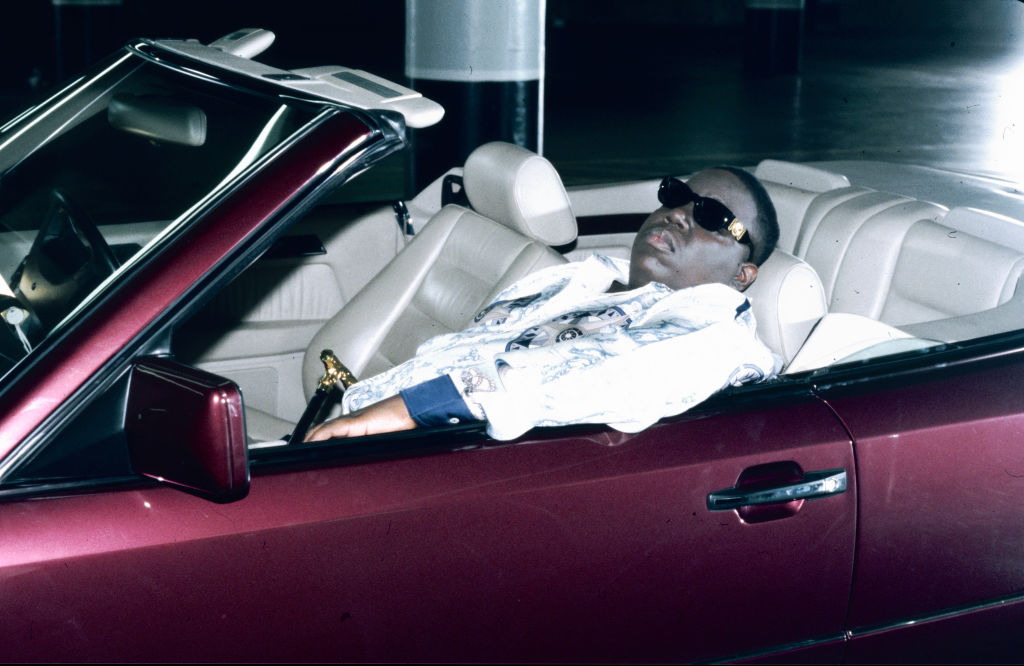
Late icon Biggie Smalls also made his gold-top cane as much a part of his fashion as he did Coogi sweaters. Ironically, the cane was for practical use after a serious car accident in 1996, and it became part of a new, well-suited 20s gangster-esque look.
The Fraternity Life
Black American fraternities are known for their “stepping” culture, as shown in films from School Daze to Stomp the Yard to shows like A Different World. During their highly energetic, synchronized dances, frat brothers such as the Kappa Alpha Psi often incorporate props like canes and rhythm sticks into the performances since the early 20th century.
Do Walking Canes Date Back to African Heritage?
Before becoming a symbol of luxury fashion, the power behind a walking stick goes all the way back to ancient African civilization. Pharaohs and high-ranking officials in ancient Egypt often utilized them so much that as many as 100 walking sticks were found in King Tutankhamen’s tomb.
Tribal leaders, chiefs, and elders also display their power and social standing with the use of their walking sticks, often carved out of wood. These intricate designs may display wild animals, tribal motifs, or ancestors. The walking cane is so important. It’s often passed down through generations.
Frequently Asked Questions
Why Do Rich People Use Canes?
Going back to the early 1700s, canes were already associated with style symbols of wealth and refinement among men and women. However, early American settlers like the Puritans voted against extravagant displays of wealth or address. In the 19th century, walking sticks replaced the use of a sword as an accessory for a man. Eventually, the umbrella replaced the walking stick in England by the 20th century.
What Does it Mean if Someone Is Walking with a White Cane?
If you see someone using a white walking cane, it may symbolize that they are completely blind or severely visually impaired. If the cane has red at the bottom, it means the person is legally blind.
What Are the 12 Characteristics of Black Dandyism?
There are 12 characteristics of dandyism style that include distinction, presence, ownership, freedom, champion, disguise, jook, heritage, respectability, cool, beauty, and cosmopolitanism. These characteristics were all on display at the Met 2025 gala, where LeBron James was the honorary chair along with Colman Domingo.
Step into Black Pride and Expression with The Walking Cane
As you can see, the walking cane is more than that, particularly when used throughout various elements of black American culture. The iconic character of the 70s film pimp used it as a marker of style and power. Rappers, such as the late Biggie Smalls, even transformed it to emphasize a new persona.
When used with Black Dandyism, this accessory helped newly freed slaves redefine their new identity as free people in the United States. Today, the walking cane continues to be a symbol of coolness, authority, and style that can take on whatever characteristic the owner chooses.