'The New Yorker' And Mainstream Media Continue To Fail 'Sinners'
The New Yorker’s Questionable Wunmi Mosaku Illustration And How Mainstream Media Continues To Fail ‘Sinners’
- Mainstream media often fails to capture the beauty and power of Black celebrities like Mosaku in its illustrations.
- The success of 'Sinners' was met with suspicion and dismissal from some mainstream publications.
- Black media spaces are crucial to provide context and celebrate Black excellence without caveats or qualifications.
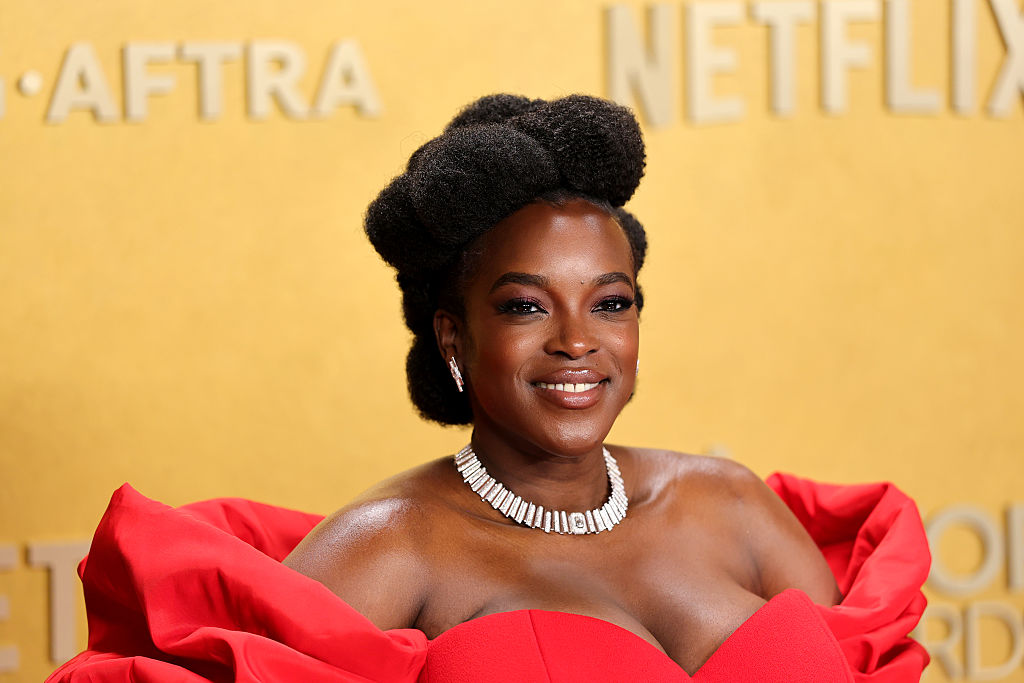
The New Yorker is being dragged after publishing an illustrated image that doesn’t capture the beauty and power of Sinners star Wunmi Mosaku. The figure it shared in a blue pantsuit does not resemble the stunner who stole the audience’s attention in the 2025 film.
The illustration by João Fazenda was met with people asking, “Harpo, who dis woman?”
Social media users wondered if there was a reference photograph available and questioned why the publication would present such an attractive woman in such a flat manner. Mosaku has been slaying this awards season in stately gowns and extravagant beauty. There was no shortage of lovely images to use as inspiration.
This is not the first time that the mainstream media has represented Sinners through their outlooks for Black films, Black stars, and Black people. So, it’s not surprising that The New Yorker presented this beauty the way that they did. It’s what they do.
A Bigger Impact
She is not alone in being perceived differently in the two-dimensional format. Exaggerated and occasionally clunky imagery is The New Yorker’s thing. Their artists show what they see through their lens. A lens that did not formally include the perspective of a Black woman until 2020. The potential danger of this type of image could never be understood by anyone but us.
The Michael Schulman story that the image accompanied is in a section called the pictures. They recently posted cartoons of Timothée ‘No love for Ballet’ Chalamet, Kathryn Bigelow, and Nina Hoss. These were not perfect likenesses, but they will hardly be one of the few images mainstream audiences will see when researching those public figures.
The problem is that that is all some people will see. That perspective looms larger. The power of that image will overshadow other images of Wunmi Mosaku.
The New Yorker is deemed more mainstream, so its narrative will prevail, for better or worse.
Beginning With Shade
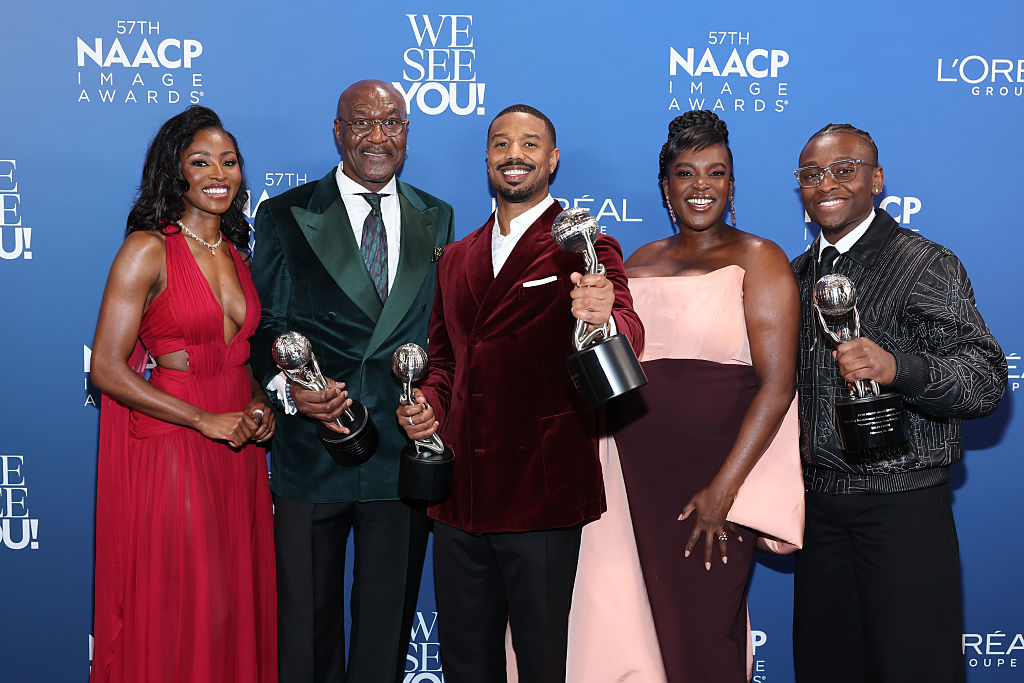
Sinners has been fighting for respect in mainstream media since day one. Director Ryan Coogler getting a deal that revolutionized the playing field for filmmakers was not met with the praise it deserves. Even the movie hitting number one was not enough to escape systemic slants.
Its success was met with a flood of suspicion.
Publications like Variety questioned whether or not the film would reach profitability. The headlines were so off-putting that Ben Stiller jumped into the chat to question the tone of the media’s commentary.
“In what universe does a 60 million dollar opening for an original studio movie warrant this headline,” posted the actor, director and executive producer on social media.
Chelsea Handler called these headlines out on stage at the Critics’ Choice Awards, making the joke, “White Hollywood was so shook after seeing the box office numbers, Variety ran the headline: ‘Do box office numbers really matter?’”
Context matters when you’re telling stories. People hold features in mainstream publications up like trophies, but at times they miss the mark.
Society considers their perspectives more credible. They travel further and are held higher.
It felt like rage bait, but really it was kind of routine. Their prestige always comes with a prick or two. Our work and presence can never be seen as par for the course. It’s always filtered through a prism we didn’t create and can’t control.
We’ll pay the consequences though.
Blunting The Spotlight On Brilliance At The BAFTAs
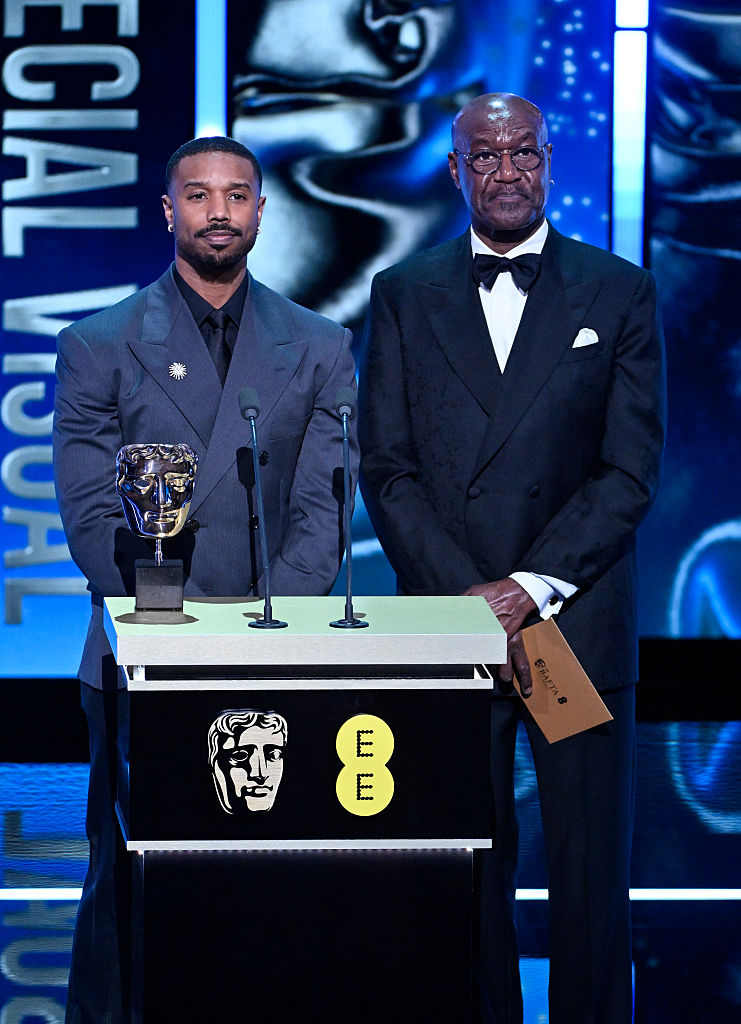
A racial slur being yelled at the BAFTAs overshadowed the beauty of Sinners’ stars Michael B.Jordan and Delroy Lindo having their moment at the podium.
People took to the internet to defend the performers and once again the success of the film was obscured by the mainstream framing of a world trying to grapple with its existence. The N-Word, like the cartoon, became the center of the story because the people telling the story were more interested in the controversy than the work.
RELATED: Sophia Bush Calls Out White People: ‘So Much Of What We Love Comes From Black Culture’
This wasn’t just two iconic actors. This wasn’t just two people who brought audiences to tears in Crooklyn and Friday Night Lights. These were two anomalies. That had to be part of the story because of where it happened—somewhere they weren’t expected to land in the first place.
This shouldn’t surprise us. We watched it happen when Questlove’s Oscar win was decentered in favor of respectability politics.
This is why we need Black media. We need our stories free of caveats and qualifications. We need to be seen without an asterisk. Spaces where we can be examined, celebrated, and critiqued are necessary.
Black Media Brings Context We Need
This year, the NAACP Image Awards felt like a welcome reprieve from the BAFTAs nonsense. It was a night of Black Excellence™ that focused on the big picture surrounding Sinners, literally.
It was one of the few remaining opportunities to celebrate triumphs like Sinners on a grand scale. That absence makes perspectives like that of The New Yorker’s even louder.
RELATED: The Women Of ‘Sinners’ Blaze Essence’s Black Women In Hollywood Issue In All Black
As The New Yorker cartoon makes its rounds through Reddit forums and threads, the cast and creatives behind Sinners are sitting on the cover of Essence. They are photographed in their beauty with their full lips, pregnant bellies, elegant cheekbones, and shapely hips. Their strength and softness are on full display in these photos.
Their stories are not met with suspicion, exaggeration, or disrespect in the headlines.
These images stand in contrast to the story being crafted by the mainstream, which always chooses when, why, and how they want to put us in their spotlight.