Is Tipping Culture In the Beauty Industry Out Of Control?
The Girls Are Tired Of The Beauty Industry’s Tipping Culture
- Tipping seen as mandatory by some stylists, but voluntary for others based on service quality.
- Stylists including tips in prices and expecting additional tips raises concerns of predatory practices.
- Beauty service providers should consider clients' ability to pay rising costs and tips, not rely on guilt or obligation.
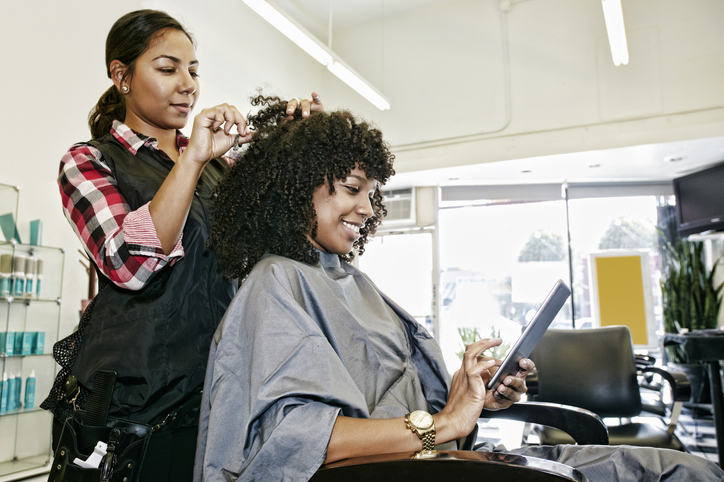
As beauty service prices continue to climb, tipping culture remains one of the most divisive topics in the industry. Some people believe that tipping at least 20% is considered proper etiquette. For others, tipping is a voluntary token of appreciation and gratitude that’s contingent on the level of service received. However, one stylist may have made things 10 times worse.
The dangers of tipping culture
Content creator and personal finance educator Clarissa Moore recently went viral for her take on a stylist who shared that she blocked a client from booking with her after failing to leave a tip. Yes, you read that correctly.
In the video, the stylist explains that tipping is a sign of proper decorum in the service industry, and failing to do so can result in a customer being branded with a scarlet letter. She continued to double down on her stance and attempted to draw a parallel between a dine-in experience and a beauty service.
After sharing that 10% is an appropriate tip amount for a $250 service, the stylist made the shocking revelation that she includes her tip in the price for service.
Naturally, the stylist’s transparency spoke to a deeper issue people have with tipping culture in the beauty industry. It can come across as predatory. Most people would agree that there’s nothing wrong with a stylist raising their prices to reflect the quality of their work and compensate for time spent. However, charging clients for a built-in gratuity and then expecting more money on top crosses a line.
Not to mention, it also shows that some service providers have a sense of entitlement when it comes to tipping. Over the years, we’ve heard countless stories of women feeling slighted after a beauty service. From being pressured to tip after walking away unhappy with a service to dealing with deposits that aren’t applied to the final balance before being asked for a gratuity, the girls have seen it all. So, to see stylists like this one demand a tip, it can feel like a punch to the gut.
The bottom line
Understandably, tipping comes in clutch for beauty servicers who are unable to set their own prices — think a hair colorist at a salon, a manicurist, lash tech, etc. However, if you’re a business owner who controls your pricing, it’s your responsibility to charge appropriate rates without relying on clients to bridge the gap through guilt or obligation. After all, this economy has proven that many people aren’t capable of affording the rising costs of services, nonetheless a hefty tip on top of it.
While it’s clear that tension around tipping culture may always be a thing, it’s paramount for beauty service providers to read the room. While a client may not always be able to tip, gratitude can still be shown in multiple ways. From a first-time client becoming a loyal regular to your clientele growing through word-of-mouth referrals, the benefits can be substantial.
Let’s chat, Beauties! Do you believe that tipping culture in the beauty industry has spiraled out of control? Sound off in the comment section below.