Easter Fashion: A Celebration of Culture and Style
The Enduring Elegance: Black Elders And The Tradition Of Easter Fashion
- Elaborate Easter outfits affirm self-worth and protest racism by dressing up for the Lord's Day.
- The Easter hat, or 'crown,' is a personal statement and symbol of royalty and reverence.
- Younger generations learn the weight and meaning of this ritual dressing from their elders.
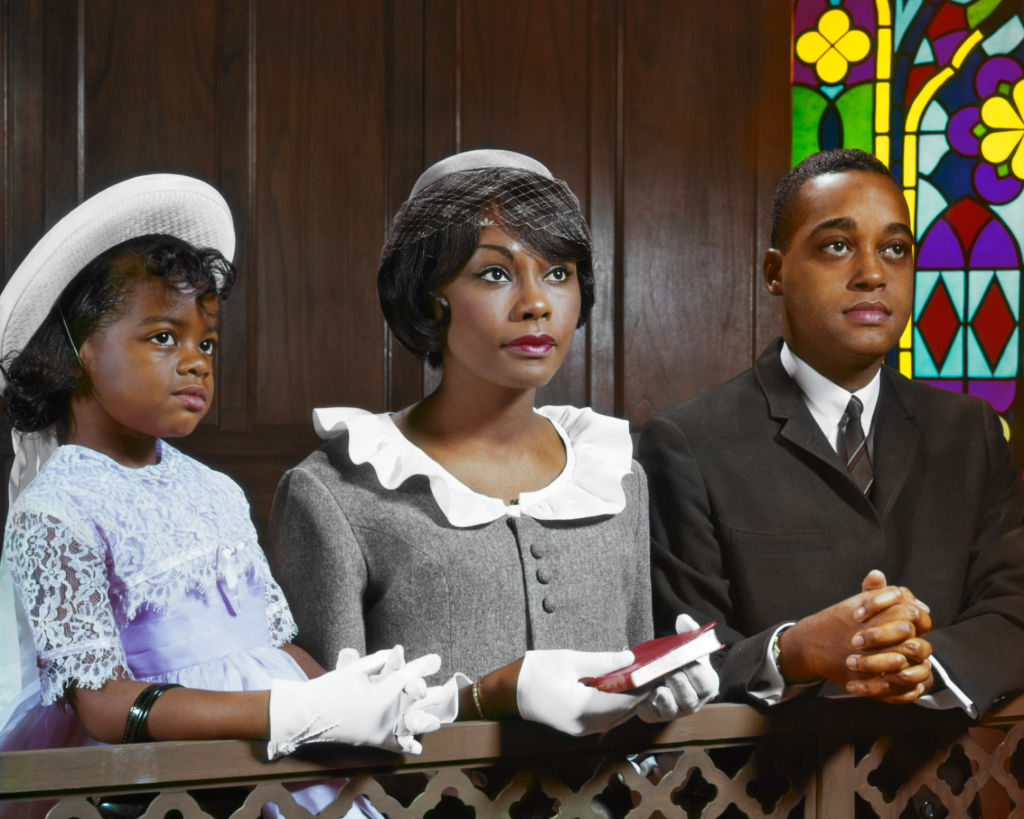
Easter Sunday has long transcended its religious significance within the Black community to become a foundational cultural event—a vibrant, almost competitive display of faith and fellowship. Most visibly, it is also a showcase of style. This tradition, which sees Black elders, particularly women, donning the most elaborate and intentional ensembles, is far more than just “dressing up.” In fact, it is a powerful, enduring statement of resilience, identity, and respect. It carries deep historical roots.
Easter Over the Ages
The concept of “Sunday Best” in the Black community emerged from a complex and often painful history. During periods of enslavement and Jim Crow segregation, Black folks were systematically stripped of their material wealth. They were also often denied their dignity. However, the church remained a sanctuary. It was a space where personal agency could be expressed.
Virginia Cumberbatch, writer and creator of “A Stylized Resistance,” champions the power of fashion as a tool for storytelling. This is a belief that drives her style salon. She posits that “Our style is inherently political, serving as a universal language – consciously and unconsciously communicating our values and beliefs.” Even at its most superficial, Cumberbatch delves into fashion as a democratizing force with the potential for disruption. According to the Texas native, “For centuries, clothing has been used to anchor cultural practices, affirm social status, and challenge the status quo. Notably, women of color have consistently pioneered pathways to liberation through a legacy of defiance, powerfully expressed by “serving LEWKS” (an African American Vernacular English expression for “looks”). Marginalized communities, from the Chicano movement of the 1940s to the Black Power movement of the 1960s, have thus used their threads to fashion resistance amidst invisibility, intolerability, and injustice.”
The Statement of Dress
Putting on the finest attire was a way to affirm self-worth and respect in a world that sought to deny it. Attending church in impeccable fashion was a direct, silent protest against the dehumanizing forces of racism.
I remember growing up that a beautiful suit, a crisp white glove, or a new hat represented a level of success, accomplishment, and the hope for better times. Since opportunities for leveling up financially were scarce, pouring resources and care into one’s appearance for the Lord’s Day became a significant marker of status.
These elaborate outfits were a source of pride for the entire congregation. Elders, by dressing to the nines, set a standard and exemplified the community’s collective commitment to excellence. This standard persisted even in the face of adversity.
The Easter Apex: A Celebration of Resurrection and Style
Easter marks the highest point of this fashion tradition. It is the spiritual and sartorial equivalent of a crescendo. While every Sunday calls for an effort, Easter demands a masterpiece.
For Kyra Brown, Founder of Resilient Grace, Easter Sunday fashion is about far more than tradition—it’s a reflection of faith, freedom, and identity. From crisp pastels and matching suits to all‑white ensembles, “Sunday Best” has long been a visual expression of reverence and pride within Black communities. “For Black people, clothing has always represented freedom,” she says.
Rooted in history and resilience, Easter style honors ancestors who gave their best to God despite having so little. It transforms dressing up into an act of dignity and worship. Today, that legacy continues as Black fashion on Easter Sunday blends generational memories with personal expression—it celebrates both resurrection and representation. “Sunday Best is about giving our best to God—because He gave so much to us.”
The Signature Elements of Easter Elegance
The outfits of Black elders on Easter are defined by maximalism, intentional coordination, and an attention to detail that elevates the look to an art form.
The Easter Hat (The “Crown”)
The bigger the hat, the closer to God.
The hat, or fascinator, is arguably the most crucial element, especially for women. Often wide-brimmed, brightly colored, adorned with feathers, ribbons, flowers, or even jewels, the hat is a personal statement. Moreover, it is not merely an accessory; it is a “crown” signifying royalty and reverence. This tradition is famously captured in images of First Ladies, such as Michelle Obama. Her Easter and inaugural fashions often feature prominent, sophisticated headwear that pays homage to this cultural touchstone.
Fabric, Color, and Fit
Easter outfits often feature lighter, brighter colors and luxurious fabrics—silks, satins, fine wools, and linens. These elements herald the arrival of spring and symbolize new life. The tailoring must be flawless; an elder’s commitment to a perfect fit reflects the high level of respect for the occasion. Coordinating accessories—gloves, matching shoes, and handbags—are non-negotiable details that complete the cohesive, polished look.
The Elder’s Influence
The elaborate Easter fit is not just about the individual; it’s about the legacy. Grandmothers and grandfathers pass down the importance of this ritualistic dressing. In this way, younger generations understand the weight and meaning of that Sunday morning walk into the sanctuary. My grandmother and her mother didn’t play about how we came to church on Easter. We were representing a legacy of resilience as seen in our lineage and God’s word.