Discover Premium Skin Care Treatments For Radiant Skin
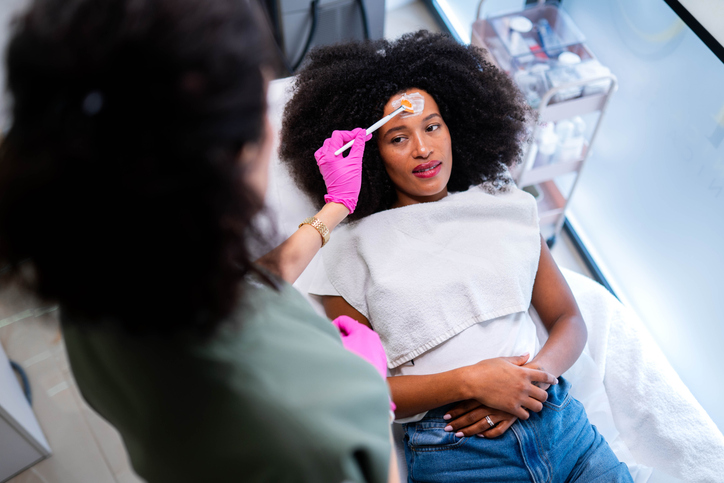
Premium skin care treatments have moved well past basic facials, and the options available now cover everything from professional-grade resurfacing to at-home routines built around clinical ingredients. The right premium skincare treatment depends on your skin type, your specific concerns, and how much maintenance you’re realistically willing to commit to. Whether you’re dealing with uneven tone, early signs of aging, or skin that’s lost its usual brightness, knowing which treatments actually deliver is the most useful place to start.
What Are The Premium Skincare Treatments For Skin Rejuvenation?
Premium skin care treatments consistently outperform over-the-counter products for one straightforward reason: they use higher concentrations of active ingredients and delivery methods that penetrate deeper than anything available on a drugstore shelf. The American Academy of Dermatology notes that board-certified dermatologists have the expertise needed to help people safely rejuvenate and care for their skin, and results from cosmetic treatments depend largely on the skill and training of the person performing them. That distinction matters when you’re choosing between a med spa, an esthetician, and a dermatologist’s office.
Chemical Peels
Chemical peels remove the outer layers of skin using an acid solution, prompting the skin to regenerate with improved texture and tone. According to the Mayo Clinic, deeper peels provide the most dramatic and long-lasting results, though they require longer recovery, sometimes up to two weeks. Lighter peels work well for maintenance and brightening with minimal downtime, and for deeper skin tones, selecting a provider experienced with melanin-rich skin is critical, since certain peel strengths carry a higher risk of post-inflammatory hyperpigmentation.
Microneedling
Microneedling uses fine needles to create controlled micro-injuries in the skin, triggering the body’s collagen production response. According to Healthline, radiofrequency microneedling is used to rejuvenate facial skin and can target acne scars and early signs of aging, like fine lines and sagging, with most people needing at least four treatments to achieve full results. For darker skin tones, however, microneedling carries a lower risk of hyperpigmentation than laser treatments, making it a frequently recommended alternative for Black women seeking skin rejuvenation without that trade-off.
Hydrafacial Treatments
A hydrafacial combines cleansing, exfoliation, extraction, and hydration into one in-office session using a specialized device. Unlike more aggressive treatments, it works across most skin types with no downtime or recovery period. For a high-quality version of this treatment, a hydrafacial in Houston, at Houston Skin Health delivers the full protocol with clinical-grade serums tailored to your specific skin concerns.
What Are The Most Effective Anti-Aging Skin Treatments?
Anti-aging skin treatments work best when they address both surface-level concerns and what’s happening structurally underneath. Mayo Clinic notes that collagen and elastin production begins declining in the early 20s, which means the window for prevention is longer than most people act on. Retinoids, vitamin C serums, and SPF are the daily ingredients dermatologists point to consistently, particularly vitamin C, which addresses hyperpigmentation and uneven tone, two of the most common skin concerns among Black women.
If you want more visible correction, laser resurfacing holds the strongest clinical track record. According to the AAD, laser resurfacing is the most effective procedure for tightening loose skin and can diminish fine lines, wrinkles, and dark spots, with results visible within 5 to 7 days of healing. The trade-off is downtime and a higher risk of side effects, making it better suited to people with specific concerns rather than general maintenance.
Natural Skin Care Methods That Actually Work
Natural skin care approaches work best as daily maintenance rather than standalone treatments for visible concerns. Consistent SPF use, adequate hydration, and a diet rich in antioxidants support your skin’s ability to repair itself over time. These aren’t glamorous recommendations, but dermatologists point to them more consistently than any single product because their impact compounds over the years.
DIY skin care recipes using ingredients like honey, oatmeal, shea butter, and aloe vera serve a real purpose: they soothe and hydrate, and they have long been staples in Black households for good reason, given how well they support moisture retention in textured and melanin-rich skin. What they can’t do is replicate the structural changes that professional treatments or prescription-strength actives produce.
Best Skin Care Products For Glowing Skin
Vitamin C serums, retinol, and niacinamide are the three ingredients that consistently appear in dermatologist-recommended routines for radiance. According to the Mayo Clinic, vitamin C used daily can help protect skin from sun and pollution damage while improving overall skin tone, and it works best when combined with vitamin E and hyaluronic acid in a serum formula. Applying these in the right order, thinnest to thickest with SPF last in the morning, determines how much actually absorbs and works.
Frequently Asked Questions
What Skin Care Treatment Is Best For Sensitive Skin?
Gentle, fragrance-free formulations and low-concentration actives are the most widely recommended starting point for sensitive skin. Hydrafacials are frequently cited as a strong professional option because the treatment is customizable and avoids the inflammation risk that peels and lasers carry for reactive skin types.
How Often Should You Get Professional Skin Care Treatments?
It depends on the treatment and your goals. Chemical peels and hydrafacials can be scheduled monthly for maintenance, while more intensive treatments like laser resurfacing or microneedling typically require 6 to 8 weeks between sessions for full healing. Your provider should map out a treatment cadence based on your skin’s response rather than a fixed calendar schedule.
Can You Combine Professional Treatments With A Home Routine?
Yes, and doing so typically produces better results than either approach alone. The AAD recommends that anyone undergoing professional treatments maintain a consistent home routine, including sun protection, since UV exposure can undermine results and increase post-treatment complication risk. Your provider can outline which at-home products best support your specific plan.
Build The Right Skin Care Treatment Plan
Premium skin care treatment isn’t one-size-fits-all; it’s a combination of professional procedures, proven ingredients, and a clear-eyed understanding of what each approach is designed to do. Retinoids and vitamin C hold their own as daily non-negotiables, while treatments like chemical peels, microneedling, and laser resurfacing address structural concerns that topical products can’t reach alone. The key is building a plan that fits your skin, schedule, and long-term goals.
Looking for more beauty, wellness, and lifestyle content? HelloBeautiful has everything you need to elevate your skincare routine.