Itchy Puffy Eyes Got You Looking Tired? Beauty Tips Inside
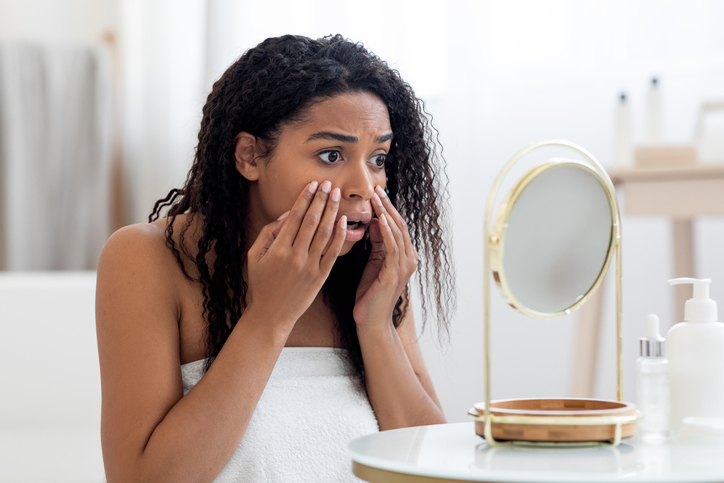
Waking up to itchy, puffy eyes will make you look exhausted before your first cup of coffee. It’s frustrating when you feel well-rested, but your reflection looks like it stayed up all night. Those swollen, irritated lids don’t just dim your confidence; they practically make concealer a mandatory part of your morning uniform. Whether it’s peak allergy season, a lack of sleep, or just a reaction to a new face cream, puffiness is usually your skin’s way of sounding an alarm.
You deserve to look refreshed and, more importantly, feel comfortable in your own skin. The good news? You can actually shut down that irritation pretty quickly. From pinpointing your specific triggers to finding the right treatment for puffy eyes, a few expert-backed adjustments can soothe the itch and stop the morning swelling before it starts.
What Causes Itchy Puffy Eyes?
Knowing what triggers your symptoms helps you step toward relief. According to the Cleveland Clinic, allergic conjunctivitis occurs when allergens trigger inflammation of the tissue lining your eyelids, leading to itchy, swollen eyes. Typical culprits are pollen, pet dander, dust mites, and mold spores, which trigger histamine release.
Beyond allergies, other factors contribute to puffy, irritated eyes. Lack of sleep can cause fluid to accumulate around your eyes, leading to morning puffiness. Excessive salt intake, dehydration, and rubbing your eyes can worsen swelling. Some cosmetics contain ingredients that irritate the sensitive skin around your eyes.
Identifying Your Specific Triggers
Pay attention to when symptoms appear. If your eyes itch during certain seasons, seasonal allergies are likely the culprit. Year-round symptoms might point to dust mites in bedding or pet dander. Notice whether certain makeup products or face creams coincide with flare-ups, as these could be contact irritants worth eliminating.
How Do You Get Rid of Itchy Swollen Eyes?
Quick relief starts with simple home remedies that reduce inflammation immediately. Apply a cold compress or chilled cucumber slices to closed eyes for 10 to 15 minutes to constrict blood vessels and decrease swelling. Johns Hopkins Medicine recommends using a cold cloth over the eyes to temporarily ease allergy-related discomfort while you try longer-term solutions.
Resist rubbing your eyes, no matter how tempting. Rubbing releases more histamine, intensifying itching. Instead, rinse your eyes gently with cool water or preservative-free artificial tears to flush out allergens. If you wear contacts, remove them and switch to glasses until irritation clears.
Treatment Options That Actually Work
Over-the-counter antihistamine eye drops provide targeted relief by stopping histamine. For immediate soothing, you can shop for self heating warm compress for eyes that helps with irritation. If symptoms persist for more than a few days, you should consult an eye doctor. You might need prescription-strength drops.
Effective Eye Creams and Topical Treatments
The right eye cream makes a noticeable difference in reducing puffiness and soothing irritation. Look for formulas containing caffeine, which constricts blood vessels to minimize swelling, or peptides that strengthen delicate under-eye skin. Hyaluronic acid hydrates without feeling heavy, while niacinamide calms inflammation.
When applying eye cream with your ring finger, use gentle motions, rather than rubbing. This stimulates circulation without pulling on the skin.
Ingredients to Seek and Avoid
If you have skin that is sensitive, pick hypoallergenic, fragrance-free eye creams. Avoid products containing retinol near the eye area unless specifically formulated for that purpose, as it can cause irritation. Gel-based formulas often work better than thick creams for those with eye sensitivities.
Long-Term Prevention Strategies
Preventing itchy puffy eyes requires consistent habits that protect your eye area. Wash your pillowcases weekly in hot water to remove dust mites and allergens. Consider hypoallergenic pillow covers as an extra barrier. If you have pets, keep them out of your bedroom and wash your hands after handling them.
Keep hydrated throughout the day. Dehydration can cause you to retain water, leading to puffiness. Limit your salt intake, especially in the evening, as excess sodium encourages fluid retention overnight. Remove all eye makeup thoroughly before bed using a gentle remover to prevent buildup.
Environmental Controls That Help
During high pollen seasons, keep windows closed and use air conditioning instead. Wear wraparound sunglasses outside to shield your eyes from airborne allergens. Try showering before bed to rinse pollen from your hair and skin. Use a dehumidifier in damp areas to control mold, and invest in a HEPA air purifier for your bedroom.
What Gets Rid of Puffy Eyes Fast?
When you need quick results before an important event, targeted techniques can deliver fast relief. Massage the area around your eyes up toward your temples to encourage lymphatic drainage. This reduces fluid buildup that causes puffiness. Prop up your head with an extra pillow while sleeping to prevent fluid from pooling overnight.
Chilled tea bags, especially green or black tea with tannins, can serve as a natural anti-inflammatory compress. Steep two tea bags, chill them in the refrigerator for 20 minutes, then lie them over closed eyes for 15 minutes. The caffeine and antioxidants help constrict blood vessels, while the cool temperature reduces swelling.
Frequently Asked Questions
Can allergies cause puffy eyes and darkness under the eyes?
Absolutely. When allergens trigger inflammation, fluid builds up around your eyes, causing swelling. Blood pools in the area, casting a shadow under your eyes. Managing allergies with antihistamines and avoiding triggers can help reduce symptoms.
How long does it take for puffy eyes to go down?
The timeline depends on the cause. Puffiness from crying or lack of sleep typically resolves within a few hours with cold compresses. Allergy-related puffiness improves within 24 to 48 hours once you start treatment and remove the allergen.
Should I see a doctor for itchy puffy eyes?
You should see a doctor if symptoms persist for more than a few days, if you experience vision changes or eye pain, or if you develop discharge. These signs could indicate an infection requiring prescription medication.
Refreshed Eyes Start With Smart Care
Tackling itchy puffy eyes requires a combination of quick-relief strategies and long-term prevention. Cold compresses, antihistamine drops, and quality eye creams give immediate comfort, while consistent habits like washing bedding frequently and keeping hydrated prevent future flare-ups. Don’t let puffy, irritated eyes undermine your confidence.
Begin these strategies today to achieve brighter, refreshed eyes. Remember that persistent symptoms need professional attention – your eye health is too important to ignore.
For more beauty tips, wellness advice, and lifestyle inspiration, Hello Beautiful offers expert content to help you look and feel your best.