Pat McGrath Labs Files For Chapter 11 Bankruptcy, Halting Auction
What Pat McGrath’s Bankruptcy Says About The Beauty Industry As A Whole
- Black-owned beauty brands struggle as major retailers scale back diversity initiatives
- Fenty Beauty and Ami Colé, once rising stars, experience significant sales drops and closures
- Industry experts hope the Black beauty sector can overcome adversity and make a comeback
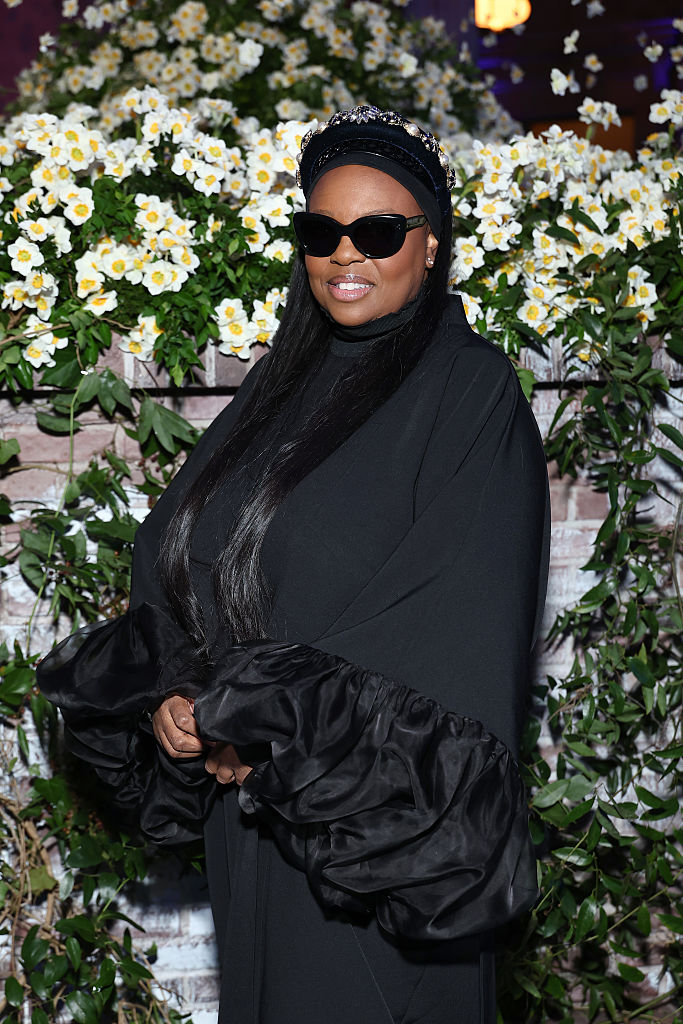
On Monday, January 26, WWD reported Pat McGrath Labs, created by the world-renowned makeup artist with the same name, officially filed for Chapter 11 bankruptcy, effectively halting the financially struggling company from being auctioned.
Following the news, the brand issued a statement about its plans moving forward.
“During this process, the company will continue operations in the ordinary course of business while working to restructure its balance sheet and to forge a path to thrive,” the brand said, according to the outlet.
“Pat McGrath Labs remains committed to its community, customers, partners and stakeholders as it continues delivering its signature, high-quality products and culture-defining artistry and innovation,” the statement continued.
According to bankruptcy documents obtained by WWD, Pat McGrath Labs began facing serious financial struggles in early 2025, such as liquidity constraints. The brand then attempted to seek short-term financing to help stabilize the company by taking out a $17.5 million loan from GDA PMG Funding LLC.
By June of last year, the brand was unable to repay or refinance the loan, leading GDA PMG Funding to state that Pat McGrath Labs owed an outstanding debt in excess of $43 million and moved forward with plans for the company to be auctioned.
The Chapter 11 filing now gives the company an opportunity for new life, where it can hopefully come back stronger despite a currently severely struggling market.
The larger conversation surrounding Black beauty brands can be traced back to the last 12 months.
As a huge retail casualty that hasn’t received as much coverage as other more pressing issues in the country right now, the current state of the Black beauty industry took a highly-concerning beating throughout the last year—and 2026 isn’t looking great either.
As soon as Trump’s presidential inauguration rolled around in January 2025, many were already anticipating what his detrimental policies would mean for the Black community, and it didn’t take long to figure out.
Making good on his promise to enact Project 2025, the Black community was initially put on high-alert when the official dismantling of DEI was put in place. The result was a literal domino effect, as the country’s largest retailers and brands quickly followed suit, and layoffs and company closures began.
Black women, who were overwhelmingly the most impacted by the ending of DEI policies, lead the Black beauty industry, and they have been overwhelmed with a sea of bad news, disappointments, and the dismantling of dreams finally achieved.
Target, a favored retail destination for a plethora of Black-owned beauty brands both on a large a smaller scale, shocked and angered Black customers when the company was among the first to rollback DEI policies that it pushed so heavily just a few years ago. The result was a fierce and highly successful boycott of the company that has resulted in Target being in serious financial trouble with some of the company’s worse sales figures in decades.
Although Black consumers continue to rejoice in making their voices heard via Target’s DEI rollback, the larger issue is that the Black beauty brands that called the retailer home have seen their sales decrease significantly and are currently scrambling to stop the financial bleeding.
Smaller Black-owned beauty brands are not the only ones that have seen an alarming decline over the past year, as superstar Rihanna’s Fenty Beauty has experienced its worst year ever since the company was launched.
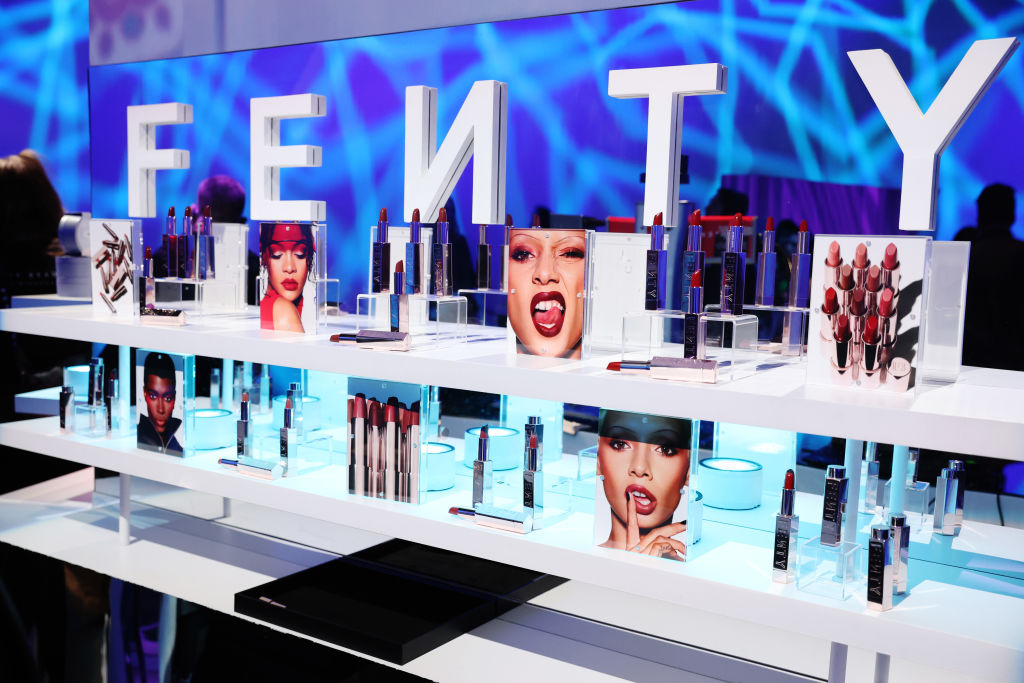
While Fenty Beauty continues to be a top player in the game, multiple reports suggest the brand had suffered a decline in sales. In October 2025, Reuters confirmed that LVMH is looking to sell off its 50% stake in the company due to declining sales.
And for Black women who strive to support more independent Black-owned beauty brands, arguably the most heart-breaking news of the year was Ami Colé officially shutting down.
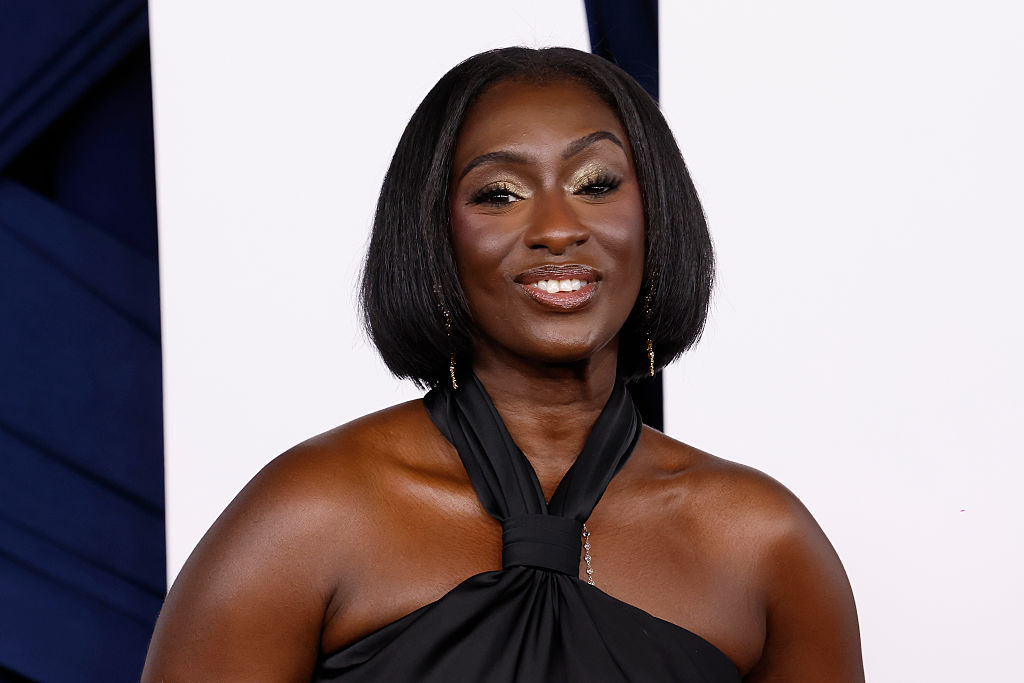
Diarrha N’Diaye-Mbaye, who founded and launched the brand in 2021, announced in September 2025 that the brand was over. She spoke out in an exclusive interview with Essence and shared why she made the tough decision to close the brand after so much support.
“We started fundraising for our latest round shortly after I gave birth to my second child in March of 2024,” she began. “Despite the tough market, we were able to gather support from our existing investors with the hope of a 2025 reset and final close in 2025. Given the market and staggering traction—we never closed the round.”
N’Diaye-Mbaye also pointed to costly tariffs as a contributing factor in her decision.
“Under this administration, tariffs can be as high as your cost of goods and break through marketing comes with an expensive price tag,” she told the outlet. “The unfortunate news is that when the economy feels uncertain, funding becomes even more risk adverse which often means underfunded minority owned businesses will suffer.”
However, there was an unexpected twist to N’Diaye-Mbaye’s story that no one saw coming…and frankly a move that many of her loyal supporters are not too happy about.
Two months after shutting down Ami Colé, in November 2025, N’Diaye-Mbaye was named as the new head of beauty for the Kim Kardashian-led Skims Beauty.
There’s no need to list the reasons why fans of Ami Colé are extremely hesitant to embrace the news of N’Diaye-Mbaye’s new role, as the Kardashian-Jenner family has a long and well-documented history of problematic actions, business moves and behaviors as it relates to the Black community, specifically surrounding Black women and cultural appropriation.
“There are so many beauty lines out there now, and consumers are more discerning than ever. They want quality, they want delight, they want something that makes their lives easier,” N’Diaye-Mbaye told Allure following the announcement. “I can’t wait to collaborate with the Skims team on items we hope will become essentials in their regimen.”
So, where do we go from here? Sadly, the forecast for the Black beauty industry doesn’t look bright given the increasingly disheartening economy and consistent layoffs.
As a subset of a larger industry, Black beauty brands are seen as the underdog and therefore unfairly dismissed. However, some of the best and most memorable success stories are about underdogs who pushed through during difficult times and came out even more successful on the other side of adversity.
Here’s hoping the Black beauty industry is next in line for it triumphant return to greatness and profitability.